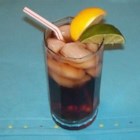
The best cocktails. Cocktails and Mixes: GIn
The best cocktails
The best cocktails
The best cocktails

Classification of Cocktails

We can meet with cocktails: Appetizers (citrus), Gastrointestinal (sweet and short), Restorative (nutrients), In the afternoon, drinks (alcoholic fruit juices).

The ornament

The ornament is the detail with which presents a cocktail, despite being edible no influence on the taste thereof. Such as the slice of lemon on the edge of a glass of Caipirinha.

Preparation

The cocktails can be prepared by different processes: Built (direct), Effervescence, Flambé, Smoothies, Mixeología, macerated, Frozzen, Removed.

Decoration

The decoration of the cocktails should be stimulating and engaging, never extravagant. In general, refreshing cocktails based on fruits allow more decorative than other types of drinks. The decor is a non-edible ornament which does not affect the flavor of the cocktail

Do the cocktails without haste.

Remember to make cocktails with care and without haste, the results will be better.

Mostrando entradas con la etiqueta GIn. Mostrar todas las entradas

The Gist of Gin


Intro:

Gin was created by Dr. Franciscus Sylvus, a Dutch chemist, in the 16th century as an attempt to cleanse the blood of those suffering from kidney disorders. Sylvus named his creation genièvre, French for juniper. Mass production of gin in England soon followed as King William III used his grudge against France to ban expensive liquor imports from that country and made gin affordable for the masses.

Production:

Gin is a light-bodied, liquor made of a mash of cereal grain, usually corn, rye, barley and wheat that has few congeners. The main flavor and aroma notes are contributed by juniper berries. Other botanicals that are often used in gin include coriander, lemon and orange peels, fennel, cassia, anise, almond and angelica. Gin ranges between 80 and 94 proof and manufacturers cannot, by law, qualify their gin by age.

London Dry Gin:

London Dry is the benchmark of quality in the world of gin. The flowery and aromatic characteristics of this type of gin are a result of botanicals added during the 2nd or 3rd distillation. The vapors from these flavoring agents reach the alcohol as they pass through a specialized still with an attachment called a gin head. Dry gins are preferred for making Martinis.

Plymouth Gin:

Plymouth Gin is a clear, slightly fruity, full-bodied gin that is very aromatic. This style of gin originated in the port of Plymouth on the English Channel, but only one distillery, Plymouth, Coates & Co., has the right to produce Plymouth Gin now. A few cocktails like an Admiral Benbow and Douglas Fairbanks Cocktail specifically call for Plymouth Gin.

Old Tom Gin:

Old Tom Gin is a sweeter version of London Dry Gin. Simple syrup is used to distinguish this old style of gin from it's contemporaries. Old Tom was the original gin used for Tom Collins and the gin of choice in the 19th century. Eventhough it was unavailable in the United States as of the 1950's, Old Tom Gin is still sold in England.

Dutch or Genever Gin:

Genever Gin, or Schiedam, is the Dutch version of gin. This variety is distilled from malted grain mash similar to whiskey and tends to be lower proof (70-80 proof) than it's English counterparts. Genever Gin is often aged in oak casks for 1-3 years and comes in two styles. Oude (old) Genever is the original style with a straw hue and is relatively sweet and aromatic, while Jonge (young) Genever has a drier palate and lighter body. Enjoy Genever in cocktails like Sweet City.

A Guide to Popular Gin Brands

The theory behind deciding which bottle of gin to pick up at the store is much the same as vodka: find a gin that fits the style of drinks you mix most. If you're on a budget and tend to make flavorful drinks like an English Rose or a Biltmore you can get away with a value brand, though one does want to choose carefully to get a good tasting gin (see recommendations). For the most part, you can not go wrong if you stick with premium or super-premium gins which, are more versatile in a variety of cocktails. Remember that it is very easy to ruin a Martini with bad gin.

Here some popular brands of gin...
Not all brands are listed and price points are based on an average, dependent on particular markets.
Readers recommend: Which Gin Finds Its Way into Your Martini?

On a Budget - Gins Around $10


These gins are inexpensive and commonly found in commercial bar's well stock. While these may not be the cleanest tasting gins, there are some budget-friendly beauties here. For the most part I would mix these in tall mixed drinks with strong flavors like fruit juices.
  • Aristocrat - US
  • Balfour Street Dry - US
  • Barton London Extra Dry - US
  • Booth's London Dry - England
  • Burnett's London Dry - US
  • Fleischmann's Extra Dry - US
  • Glenmore London Dry - US
  • Gordon's London Dry - US
  • McCormick Dry - US
  • New Amsterdam Straight - US
  • Seagram's Extra Dry - US
  • Taaka Dry - US
Budget-friendly gin cocktail suggestions: Floradora, Pomegranate Gin Fizz
Top Picks for Budget Gins

Favorites that Don't Break the Bank - Gins Around $20


When you are willing to spend around $20 you will find the quality of gin takes a dramatic leap. This price range is where you will find some of the favorite brands that are not only versatile for a variety of cocktails and mixed drinks, but are nice introductions for those developing a palate for the botanicals of gin.
  • Beefeater - England
  • Beefeater Wet - England
  • Bombay Dry - England
  • Boodles London Dry - England
  • Broker's London Dry - England
  • Clearheart Gin - US
  • Greenall's London Dry - England
  • Iceberg London Dry - Canada
  • Quintessential Dry - England
  • Tanqueray London Dry - England
  • Tanqueray Rangpur - England
  • Tower of London - England
Gin cocktails for beginners: Leap Year, Union Square

Martinis with Style - Gins Around $30


Now we get into the Martini-worthy gins. These are the gins that are going to go well in almost any gin cocktail you want to add them to. Also, with some of these boutique brands you are going to get very different flavor profiles (i.e. Hendrick's and Aviation), some that even tread the fine line of the definition of gin.
  • Aviation - US
  • Bafferts - England
  • Bluecoat American - US
  • Bombay Sapphire - England
  • Bulldog - England
  • Cascade Mountain - United States
  • Citadelle - France
  • Damrak - Holland
  • DH Krahn - US
  • Hendrick's- Scotland
  • Juniper Green Organic - England
  • Junipero- US
  • Mercury London Dry - England
  • Martin Miller's London Dry - England
  • Plymouth Gin - England
  • Quintessential - England
  • Right Gin - Sweden
  • Tanqueray No. Ten - England
  • Tru2 Organic - US
  • Van Gogh- Holland
  • Zuidam- Holland
Other than the Martini, try these in: Eagle Cocktail, Massey Cocktail

Luxurious Botanicals - Gins Over $40


Again, these gins are ideal for almost any cocktail and are truly ideal for the simple, well-defined concoctions that gin is known for being a part of. Many of these are high-end, classically styled London dry gins, though some are of the new style of gin designed to lure a softer palate into the category.
  • G'Vine - France (grape flower base)
  • Kensington London Dry - Scotland
  • Leopold Bros. American Small Batch - US
  • Magellan - France
  • Old Raj - England
  • Right - Sweden
  • The London Gin No.1 Original Blue Gin - England
Luxurious cocktails to try: Aviation, Champagne Antoine

Genever Brands

Genvers are a special category of gin that was the original gin. If you enjoy a true variety of gin cocktails, especially many of the classic recipes, I recommend having at least one bottle of genever on hand alongside a London dry or one of the new American style gins.
  • Bols - Holland
  • Boomsma - Holland
  • Filliers - Belgium
  • Genevieve - US
  • Hertekamp - Belgium
  • Petermans - Belgium
  • Zuidam - Holland
Recommended genever cocktails: Gin Daisy, Hot Bols Genever Punch

Blackberry Sage Cooler

I'm always looking for new flavor pairings, so when Page got blackberry sage tea at the black walnut last saturday, I knew what I was going to try next. I figured I'd start with gin as a base, since gin, with its mix of herby/woody flavors, usually pairs well with herbs. The result? Fantastic. But don't take my word for it.

You'll need:
4 sage leaves (from the back porch!)
6 blackberries (I bought mine at the grocery store (they're from Mexico...that's sort of local, right?), but I discovered this weekend that you can also get blackberries at the farmers' market right now.)
.5 oz simple syrup
.5 oz lemon juice (fresh squezed is best (plus squeezing lemons will make your kitchen smell awesome))
1.5 oz gin
crushed ice
club soda

Muddle the sage leaves and simple syrup together in the bottom of a mixing glass. (Muddling releases the essense of the herb into the drink. In a pinch mashing the leaves with the back of a spoon will do, but I like to use a muddler, which looks like a little bitty meat tenderizer.)


Add the blackberries and muddle some more, until the berries are mostly liquid. Add 4-5 ice cubes. Add the lemon juice and gin over the ice and stir. Strain into a collins glass. Fill the glass about halfway with crushed ice and top with a bit of club soda. (More for a smoother (more dilute) drink, less if you like booze a lot.)

Pop in a straw. And enjoy.

The Bloodhound

So, now that you know all about vermouth...time to start mixing.


Dale Degroff, in his book The Craft of the Cocktail, lists a recipe for a cocktail called the Bloodhound that includes raspberries, both sweet and dry vermouth, and a prodigious amount of gin. This cocktail appeared in a lot of cocktail collections in the '20s and '30s, when people apparently couldn't get enough of vermouth (and gin). With Dale's blessing (he says it's okay to use "seasonal fruit"), I re-created this cocktail with blackberries. Yikes. It tasted like...a big old wallop of gin and vermouth. If I wanted a mouthful of gin I would be drinking a martini, already, so I set about tinkering and adjusting proportions.

I was all set to print only a version using local fruits, but at the last minute I decided to try this with the raspberries, as per the original recipe. (Raspberries and gin are good friends - a quick google search will yield lots of recipes for martinis made with gin and chambord.) At first I thought I liked the raspberry one better (embarassing, since this blog is supposed to be all about the local produce, and raspberries come from California), but the second time I tried the Bloodhound #2, I discovered, all of a sudden, an unexpected and fascinating complexity. Berries - vermouth - gin. Yes. So I struck upon an analogy - the Bloodhound #1 is a Mr. Bingley sort of cocktail. Friendly, immediately charming. Curly blonde hair, if you watched the 5-hr BBC special. The Bloodhound #2 is a Mr. Darcy sort of cocktail. Handsome, much less accessible, but with unexpected depth and charm. Jane Austen fans and mixologists alike rejoice.


The Bloodhound #1Sweet burst of raspberry on the opening note - vermouth, gin and lemon play second fiddle in a symphony of deliciousness.

8 raspberries
1.5 oz gin
.5 oz sweet vermouth
.5 oz dry vermouth
.25 oz lemon juice
splash of sugar syrup (or a bit more, to taste)

The Bloodhound #2Vermouth comes through a little more strongly in this one. The sweetness of the berries and a bit of bite from the gin and vermouth blend together into a drink that is dark, mysterious, and rewarding. If the vermouth-y taste is too much for you, you can try cutting it with a little more lemon juice and sugar syrup. Don't add too much, though (by this I mean less than 1/4 oz of each) - or that's all you'll be able to taste.

8 blackberries
1.5 oz gin
.5 oz sweet vermouth.
.5 oz dry vermouth
.25 oz lemon juice
.25 oz sugar syrup
Muddle the fruit together with the sugar syrup in the mixing glass of your shaker. Keep on muddling until you get a nice mush. Fill the glass with ice, add the gin, vermouth and lemon juice, and shake like a madman. Strain into a cocktail glass. Garnish with some berries, if you're feeling festive, and enjoy.

The French Bulldog

There is pretty much no limit to the places I will look for inspiration for my next drink. Case in point...this one got started in the shower. I have this grapefruit and lemongrass shampoo, and one morning I thought - "this smells lovely. I wonder if I could make it into a drink?". Only, you know, not with actual shampoo. So I knew grapefruit and lemongrass were a hit, and I knew that lemongrass and St. Germain (seriously, I can't get enough of this stuff) played well together, and I knew that grapefuit and gin were good together because that's a salty dog. (The Salty Dog is a classic cocktail, and also a pretty great dive bar in Port Aransas. (Seriously. If you're ever in Port Aransas, don't miss their karaoke night. Life-changing, maybe.))

Armed with this knowledge, I mixed them all up together, fiddled with the proportions a little - and it was good.


The French Bulldog
1.25 oz gin
1 oz Texas Rio Star red grapefruit juice (these are back in season - so love your booze and make it fresh.)

1 oz St. Germain Elderflower Liqueur
1.25 oz Dry Lemongrass Soda

Combine the ingredients in a mixing glass (a pint glass works well) full of ice. Stir for 30 seconds and strain into a cocktail glass. 


Verdict: This drinks wins for both ease of creation and sheer deliciouness. It's a beautiful balance of all the flavors. And it doesn't hurt that it so damn pretty.


Edited to add: It looks like the jerks at the Dry Soda Company have discontinued the lemongrass flavor, so if you must have lemongrass soda, you'll have to make your own. Or, what is much easier: substitute lemon perrier for the soda. I promise it's just as delicious.

Forgotten Cocktails...OF DEATH

Good morning, campers! Time to rise and shine, because...it's Mixology Monday! This time, you get two cocktails for the price of one. This month's theme is "forgotten cocktails", with your host Rock and Rye, and both of my forgotten cocktails have these things in common:

1. Ernest Hemingway
2. The "hair of the dog"
3. DEATH.

That's right. Cocktails that will help you get over a hangover...or maybe just kill you.


Ernest Hemingway was a talented and troubled American writer who apparently had a bit of a penchant for drinking. He was known to embark on "alcoholic sprees" with James Joyce, and he gave himself a scar on his forehead by pulling a skylight onto his head in the bathroom of his paris apartment, mistakenly thinking he was pulling on the toilet chain. (Wikipedia won't tell me for sure, but if you have ever been inebriated, you might recognize this as the sort of dumbass thing a drunk person would do.) Two of Ernest Hemingway's favorite hangover cures survive, both, interestingly enough, with the word "death" in the name. 
 
First: Death in the Afternoon. Hemmingway's original directions for the drink are as follows (with thanks to esquire.com): "Pour 1 jigger of absinthe into a champagne glass. Add iced champagne until it attains the proper opalescent milkiness. Drink three to five of these slowly." Obviously, there are some problems here. 1. How much is a jigger? Jiggers come in many different measurements. 2. I am not about to drink three to five of these things. Ernest Hemingway must've had the liver of a champion.

I discovered another recipe for "Death in the Afternoon" in one of my go-to cocktail books, the Art of the Bar. This particular recipe called for a mere 1/4 oz of pastis (pernod preferred) and a full glass of champange. Esquire.com, where I found Earnest Hemingway's directions, called for a full 1.5 oz of absinthe (or the newly legalized absenthe) per flute of champange. What to do? Well, I used absenthe, because I had some on hand, left over from making my Harry Potter extra sinister, and I split the difference and put in 3/4 oz of absenthe for each glass of champagne. I feel this creates a good balance between the champagne and absinthe flavors, but if you'd prefer to add more absinthe, feel free. Earnest is on your side. I did not test out the efficacy of this drink as a hangover cure (although you might need one the morning after one too many Ron Weasleys), but I did drink it right after breakfast, which counts for something. Right?


Death in the Afternoon3/4 oz absenthe
Fill glass with brut champagne.

So...how's it taste? Some flavors are pretty shy. Absinthe (which, for the unintiated, tastes almost exactly like black licorice) is not. There is definitely something in your champagne. To my surprise, absinthe and champagne actually play pretty well together.* You get the taste of champagne, with a nice licorice-y finish that is interesting without being overwhelming. If you don't like the taste of absinthe, you will probably not like this drink. If you do...well, it may be your new favorite thing.

*I'm continually surprised by how well champagne pairs with bizzarre and sundry flavors. Like, champagne and guiness? Surprisingly not bad.
The second, and far more intimidating, hangover cure I sampled is something called Death in the Gulf Stream. The Art of the Bar book first made me aware of the existence of this Hemingway reviver; I have Seamus Harris, from Tales of the cocktail, to thank for the directions for Hemingway's original formulation:

“Take a tall thin water tumbler and fill it with finely cracked ice. Lace this broken debris with 4 good purple dashes of Angostura, add the juice and crushed peel of 1 green lime, and fill glass almost full with Holland gin. . . . No sugar, no fancying. It’s strong, it’s bitter – but so is English ale strong and bitter, in many cases. We don’t add sugar to ale, and we don’t need sugar in a Death in the Gulf Stream – or at least not more than 1 tsp. Its tartness and its bitterness are its chief charm. It is reviving and refreshing; cools the blood and inspires renewed interest in food, companions and life.“

Seamus interprets "Holland gin" to mean Genever, which is sweeter than the London dry varities; for whatever reason, Art of the Bar called for something called "Extra Dry Holand Gin", which I was unable to find at the trusty downtown Spec's, so instead I used just plain old London dry gin. I am supported in my decision by this article about the boozings of Ernest Hemingway from flavorwire.com, so that's something.

Death in the Gulf Stream (aka The Hemingway Reviver)
Crushed ice
Juice and peels of an entire lime
4 dashes of Angostura bitters
Healthy dose of Holland Gin (or extra dry Holland Gin, or London Dry...I used Broker's, if you're wondering. The bottle came with a little plastic top hat on it.)

I cut the lime into quarters, squeezed them into the glass, threw the peels in, and added the bitters and crushed ice. Then I added the gin (almost all the way to the top) and gave it a little stir.


I was very, very afraid to taste this. Notice the part where there's no sugar? And that is a lot of bitters. And a lot of booze. But: verdict:
You guys...I think I'm a total lush. I was fully prepared to taste this and report back to you that it was absolutely terrible. So certain was I of its terribleness that I almost typed the words in before even trying it. But...but...it's kind of good. The lime is bracing, the gin is refreshing, and all that bitters gives it depth...I feel a renewed interest in food, companions, and life. No, I wasn't hungover to begin with. But this drink? It's like a swift, and not entirely unwelcome, alcoholic kick in the pants.

Ernest...you old rogue. 

The Spice Island Iced Tea

Is it mixology Monday again? How the hell did that happen? Seems like just yesterday I was boozing it up with the ghost of Ernest Hemingway. This month's theme, with your host Chris Amirault over at eGullet, is "Like That? You'll Love This!" The goal, as described here, is to introduce cocktail novices to fancy drinkin by using a "gateway" cocktail that's a schmancy twist on a drink they already know and love. I thought this would be the perfect opportunity to take a second look at one of the cocktails most reviled by serious mixologists: the Long Island Iced Tea.


Why is it that the cocktailing elite disdain the Long Island Iced Tea? Here, as I see it, are two reasons:

1. Most Long Island Iced Teas that you order at bars are unbearably sweet.
2. A Long Island Iced Tea (as you will see if you look at the recipes below) contains a great deal of booze. Yet somehow, it tastes delicious. Generally, the sort of people who order Long Island Iced Teas are those who don't like the taste of alcohol, but want to get drunk very quickly. This is abhorrent to the mixology elite, because A. they see booze as its own end, rather than a means to an end, which is: drunkenness, and B. they love the taste of alcohol (see "A") and don't understand why anyone would want to drink booze that doesn't taste like booze.

So what, exactly, does a Long Island Iced Tea taste like? I'm reminded of a conversation I had with a friend of mine in high school. She asked me: "Why do you love Bagel Bites so much? (Because I used to really, really love Bagel Bites.) They don't taste like pizza, and they don't taste like bagels." I thought about it for a minute, and I realized - she was right. Bagel Bites don't taste like pizza, or bagels - they taste like Bagel Bites. And Bagel Bites taste awesome. In much the same way, a Long Island Iced Tea does not taste like tea. It doesn't even taste like alcohol at all. A Long Island Iced Tea tastes like...a Long Island Iced Tea. I guess you will just have to try it for yourself. (Just don't operate any heavy machinery for a while.)

In my mind, the LIT deserves a little bit of respect. ("LIT" is Will's acronym for this particular drink, since saying "Long Island Iced Tea" over and over again is a bit clunky. Technically, it should be LIIT, but that's even clunkier. Also, Will's acronym accurately describes what you will be if you consume just one of these.) You may not like the kind of people who drink it, but you have to concede that what it does, it does remarkably well. In fact - I would go so far as to say that the LIT is magic. Making a glass full of hard liquor taste like something you'd get at Sonic is nothing less than a feat. And there's nothing like a pitcher of LITs to bring the party.

The Long Island Iced Tea
1 oz vodka
1 oz gin
1 oz rum
1 oz tequila
1 oz cointreau (Or triple sec. but really...cointreau makes everything better. It's so expensive, it damn well ought to.)
1.25 oz fresh-squeezed lemon juice (did you hear the part where I said fresh squeezed?)
1 oz simple syrup
.5 oz coca-cola

Build over ice in a pint glass. Stir before serving. I go a little easy on the vodka and gin - more like 7/8 oz.
One night while hanging out at Revolution (a neat little coffee shop/bar in Bryan) with Alan and Jen, I overheard the bartender describing her particular variation on a Long Island Iced Tea. She called it New York Mother (word I decline to print here, based on the slim possibility my mother will ever read this blog). It's just like a Long Island Iced Tea, only substitute whiskey and amaretto for the tequila and rum. I couldn't wait to get home and try this. I did, and the result? Huge success. My friends loved it. I've honestly never made a plain old Long Island Iced Tea ever again. You get the same what-is-it taste like with a traditional LIT, with a little bit of that warm, sweet brown-liquor flavor from the whiskey and amaretto. (And I sure do love me some whiskey.)


The Staten Island Ferry

(Credit for this much more mother-friendly name goes to Kendra.)
1 oz vodka
1 oz gin
1 oz whiskey
.5 oz amaretto
1 oz cointreau
1.25 oz fresh-squeezed lemon juice
.5 oz simple syrup
.5 oz coca-cola
The appeal of the Staten Island Ferry, of course, is that, like its predecessor, it packs a great deal of booze into a surprisingly palatable drink. This makes a great pitcher drink at a certain kind of party...just increase all the measurements to cups (1 oz = 1 cup and so forth), and add a handful of ice to the pitcher and stir to mellow out all the alcohol. Floating slices of lemon add a particularly nice touch, and will make your pitcher look particularly innocuous and Martha Stewart-y. (I mean - would Martha Stewart ever get you drunk? (Actually, I don't know how to answer this question, since Martha Stewart is a very multi-faceted person. But if Martha Stewart is drunk...well, I want to be there for that show.))
But you know me. A good drink, like a good work of art, is never truly done. Lately I have completely fallen in love with St Elizabeth's Allspice Dram. It is like the St. Germain of winter - I want to put that shit in everything. And since we already knew that Allspice Dram complements warm, bourbon-y flavors...why not try it in a Long Island? Or rather, in a Staten Island.

I am a cocktail freaking innovator. A cocktail Christopher Columbus. And Magellan. All rolled into one.


The Spice Island Iced Tea
1 oz vodka
1 oz gin
1 oz whiskey
.5 oz amaretto
1 oz cointreau
1.25 oz fresh-squeezed lemon juice
.5 oz simple syrup
.5 oz coca-cola
1/4 oz St. Elizabeth's Allspice Dram

For those of you playing along at home, those are the same ingredients from the Staten Island - just add the Allspice Dram.

You guys - this is good. It's got the magic LIT taste, plus whiskey warmth, plus a little bit of spicy allspice dram goodness. I don't know if the Long Island Iced Tea will ever be truly acceptable to the cocktailing elite, but here's a drink that is a step in the right direction. 

The His & Hers Gin & Tonics

I've discovered that I love making drinks on the fly. People tell me what they like, and I try to make a drink that will suit their tastes. Here are a couple of cocktails, cooked up by yours truly at a few different holiday parties, that were especially well received. You can think of these two GnT (that's Gin & Tonic, for the uninitiated) variations as "his" and "hers" Gin & Tonics. I bet you'll be able to guess which is which. But don't let yourself be limited - I like them both.


The Hemingway Gin & Tonic
It's the GnT meets the Hemingway Reviver: refreshing, savory, challenging.

2 oz gin
juice and peels of 1/4 lime
2 dashes Angostura Bitters
tonic water (or soda water)*

Add 2 dashes of bitters and the juice and peels of 1/4 of a lime to an old-fashioned glass. Fill the glass with ice, add the gin, and top with tonic water. Stir once and serve.


and then there's...
The Very Special Gin n' Tonic
A little twist on the St. Germain Gin & Tonic. The lime balances out the St. Germain nicely for a drink that is sweet but complex.

2 oz gin
1.25 oz St. Germain
juice of 1/4 lime
tonic (or soda) water*

Fill an old-fashioned glass with ice. Add the gin, lime, St. Germain, and fill with tonic water. Stir once and serve.


*In the interest of full disclosure, I feel obliged to point out that these drinks were originally made with soda water, not tonic water, since I think tonic water is nasty and bitter and don't usually keep it around. So technically, to start out with, they were gin & soda variations, not gin & tonic variations. For the purposes of this experiment, I purchased some tonic water, and it was every bit as terrible as I remembered, but somehow it made the drinks taste better. Confused? I sure was. Anyway, feel free to substitute as you please.

Cheers.

Edited to add: There has been much discussion on my facebook page about what is the best brand of tonic water. I don't really feel qualified to weigh in on this, since I got the store brand, but take note that if you make these drinks properly, in an old-fashioned glass full of ice and with 2 oz of gin, you won't need much tonic water. More like a splash. I know a lot of people make their GnTs half and half, but this is more like a gin and gin and tonic. Yum. 

Mojito Madness

Some of you may not know this, but the mojito is really the drink that started it all. One summer night, circa 2008 - four good girl friends, a little bit of peppermint, a bottle of rum, and my first-ever batch of simple syrup came together to make some very, very delicious mojitos. And probably the most fun I've ever had on a week night. I was hooked. On mojitos, and on mixing drinks.


So, recently, I decided to re-visit the mojito. And, just to shake things up a little, to make a mojito variation with every kind of clear liquor in my kitchen. But first, I needed to establish a base recipe for the mojito. Now, I can be a little bit of a stickler for the rules. Especially when it comes to cocktails. I mean, classic is best, right? So I first turned to the oldest known recipe for a mojito, from a 1929 Cuban cocktail book called, appropriately, El Libro de Cocktail, and helpfully re-printed in Food & Wine magazine's "cocktails '09". Also helpfully reprinted right here:

The Original Mojito8 mint leaves
2 oz white rum
3/4 oz fresh lime juice
1 oz simple syrup
1/2 oz chilled club soda


I made a mojito, just as the 80-year-old recipe said. It was pretty, to be sure. I took many pictures of it. But I tasted it and I was...underwhelmed. I longed to return the the mojito that first captured my heart that summer night. So I made another mojito, according to my old recipe. I took a sip...delicious. Feels like the very first time.

"What is the secret of this fantastic mojito?" - you must surely be asking yourself. Two things: 1. turbinado simple syrup. Just like it sounds - simple syrup made with turbinado sugar, 1:1. 2. peppermint. Spearmint is pretty much the gold standard for mint in cocktails - every bar I've ever been to uses it for their mojitos, so that's what I used to make the classic mojito. But the drinks from the infamous Night of the Mojitos were made with peppermint, which imparts a stronger mint flavor. For the recipe printed below, I used half and half, and the result was lovely. Where can one find peppermint? I grow mine myself. You can tell the difference between the two varieties by the shape of the leaves, and, of course, by the way they smell.

Nancy's very special mojito
8 mint leaves (4 spearmint, 4 peppermint)
1.5 oz rum
.75 oz fresh-squeezed lime juice
.5 oz turbinado simple syrup
1 oz soda water

Place the mint leave in the bottom of a shaker, cover with the simple syrup, and muddle. Add the lime, rum, and 5-6 ice cubes, and shake and strain into a highball glass filled with crushed ice. Top with the soda water.

I'll be damned is this is not the best mojito I've ever had.

So now that we've established a basic recipe for the mojito, it's time to get crazy. First up, the mexi-jito - a mojito made with tequila. Luke, an inventive drinker and a particular fan of tequila, gave me the idea for this one.


Mexijito
8 mint leaves (half and half)
1.5 oz silver tequila
.75 oz lime juice
.5 oz agave nectar
1 oz soda water

Verdict: Oh, it's good. The combo of tequila and mint is wonderfully smooth, and almost, just a teeny tiny bit, reminds me of chocolate. Interesting and delicious and refrescante. Definitely worth a try.

Next: A mojito with cachaça. Since cachaça and rum are so similar, substituting cachaça for rum in a mojito seems pretty logical. Plus, the caipirinha, the most famous cachaça drink out there, is essentially just a mojito without mint, right?

Brazilian Mojito
8 mint leaves (half and half)
1.5 oz cachaça
.75 oz lime juice
.5 oz turbinado simple syrup
1 oz soda water

So...I now understand why the Brazilians don't put mint in their caipirinhas. It's because cachaça and mint is...well, kinda gross. The vegetal flavors of cachaça don't play nice with the mint like rum does. I still finished the drink -but it was my least favorite of all the alterna-mojitos. Since I played it safe with this one, next I decided to try something really unusual: a mojito with poire william eau-de-vie, a brandy made from distilled pears.


The Peppermint Pear
12 mint leaves (6 peppermint, 6 spearmint)
1.5 oz poire william eau-de-vie
1 oz lime juice
.75 oz simple syrup
1 oz soda water

I guess I shouldn't be surprised that this turned out like a mojito...that tastes like pear. Actually, come to think of it, it's more like the other way around. Even with the amount of other ingredients increased, pear is the overwhelming taste sensation here, with the mint and lime as mere grace notes. I'm still not sure how I feel about that. Suffice it to say, though, that if you like pear, and you like mojitos...you will love the hell out of this. If you're not such a huge fan of pear, but you still happen to have the brandy around , try half pear brandy, half light rum.


What about...a mojito with gin? This is another Luke invention. Once, at a party, long ago, I was making mojitos when I ran out of rum. What to doooo? Luke suggested making some with gin. I remembered them being pretty good. I remembered right.

The Gin-jito
8 mint leaves (4 peppermint, 4 spearmint)
1.5 oz gin
.75 oz lime juice
.5 oz simple syrup
1 oz soda water

It's delicious and refreshing, in that very clean, juniper-y way that gin is. And lastly: an unusual combination that totally blew my mind. Alicia was the one who suggested making a mojito with mezcal - she had something like it at the Anvil once.


The Smo-jito (It's a smoky mojito. Get it?)
8 mint leaves
1.5 oz joven mezcal
.75 oz lime juice
.5 oz agave nectar
1 oz soda water


Oh. My. Gosh. Definitely my favorite of all the mojito variations. Nice strong agave flavor, delicious smoke making love to lime and mint. I don't know what I did to deserve this, but whatever it was, I must've been very good.

Crunk Juice


First, I decided to do a little research, just to see what was out there. Turns out the current Kool-Aid cocktail landscape is a barren wasteland of foul, sugary concoctions with names like "demon's blood" and "the purple panty dropper". With this in mind, I established some guidelines for my Kool-Aid cocktails. They had to:


A. have Kool-Aid in them (obviously),
B. be easy to make,
and C. bear at least a passing resemblance, taste and composition-wise, to real cocktails. This means I wanted them to actually taste like alcohol. The point of mixing drinks, at least in my mind, is not to doctor up booze with sugar and fruit juice so you can't taste it anymore - making cocktails is all about combining flavors, including the flavor of the spirit, into something new and different and hopefully delicious. Here's what I came up with:
The Tropical Storm
Inspired by that quintessential New Orleans cocktail, the Hurricane.
2 oz Tropical Punch Kool-Aid syrup
.75 oz fresh-squeezed lemon juice
1.5 oz dark rum
To make the Kool-Aid syrup: Prepare a package of (unsweetened) Kool-Aid according to the directions, but add half as much water as the package calls for. (That is, one quart.)
To make a whole pitcher* of Tropical Storms (c'mon, you know you want to):
1 package Tropical Punch Kool-Aid
1 cup sugar
1 quart water
1.5 cups fresh-squeezed lemon juice
1 bottle (750 ml) dark rum
*Word to the wise: make sure your pitcher is big enough before you start adding stuff. This version will make about 16 servings, so also make sure you have lots of friends.
It tastes a lot like Kool-Aid...but with a little twist. Might actually be closer to the original version than whatever it is they're serving up on Bourbon Street these days. (I've made hurricanes according to the original recipe, and I've sipped some at Pat O'Brien's, and they are not the same. At all.)
and then there's...
Instant Kool-Aid Sangria
Let's face it, sangria is one of the greatest things ever. Wine? Good. Fruit? Good. Wine + fruit? EVEN BETTER. I've made sangria with pretty much everything else...why not Kool-Aid? After all, not everyone has time to cut up all that fruit. Everyone has time for this.

2 bottles red wine (try an inexpensive merlot or cabernet)
1/2 cup sugar
1 packet unsweetened lemon-lime Kool-Aid
1 packet unsweetened orange Kool-Aid
Combine all ingredients in a large pitcher. Serve over ice.


It's good. Not as good as real sangria...but still pretty good. And super easy to make. And did I mention super cheap? Bonus: throw some actual fruit into the pitcher, and see if your friends are fooled. Try substituting other flavors, too. I'm curious about lemonade + black cherry. (Updated to add: when using other flavors, you may need to add a little more sugar.)


And finally...
The Kool Blue Gin-Gin MuleOf all the bizarre and off-the-wall ingredients I've sourced for my drinks, one of the hardest to find was - you're not gonna believe this - berry blue Kool-Aid. I went to three different grocery stores before I found this stuff. I thought it had been discontinued. But then there it was, like the holy grail of Kool-Aid, beckoning from the shelves of the very last store I tried.

2 oz Berry Blue Kool-Aid syrup (prepare according to directions above)
1.5 oz gin
.75 oz fresh-squeezed lime juice
1.5 oz ginger ale (or ginger beer, for a stronger ginger flavor.)
And the pitcher drink version:
1 packet unsweetened berry blue Kool-Aid
1 cup sugar
1 quart water
1 bottle (750 ml) gin
1.5 cups lime juice
3 cups ginger ale
Once more, berries + gin = win. It's highbrow meets lowbrow...meets delicious.

Blanc. Lillet Blanc.

"A dry martini," he said. "One. In a deep champagne goblet."
"Oui, monsieur."
"Just a moment. Three measures of Gordon's, one of vodka, half a measure of Kina Lillet. Shake it very well until it's ice-cold, then add a large, thin slice of lemon peel. Got it?"
"Certainly, monsieur." The barman seemed pleased with the idea.
"Gosh, that's certainly a drink," said Leiter.
Bond laughed. "When I'm . . . er . . . concentrating," he explained, "I never have more than one drink before dinner. But I do like that one to be large and very strong and very cold and very well-made. I hate small portions of anything, particularly when they taste bad. This drink's my own invention. I'm going to patent it when I can think of a good name."
Thus spoke James Bond in Casino Royale, the very first novel he appeared in. Never mind that the Bond of the novels was really more of a whiskey man - the Bond films have since elevated "shaken, not stirred" to the stuff of legend. Sadly, though, this particular drink - later named by Bond for the lovely, ultimately doomed double agent Vesper Lynd - has sort of fallen by the wayside.

It's quite easy to make - Gordon's is gin, and vodka is well, vodka. Both of those are common enough. But what in the world is Kina Lillet?


Kina Lillet is (was) an aperitif wine produced in Podensac, France. It's fortified with citrus liqueurs made from sweet and bitter oranges and grapefruit peels, and is flavored with quinine, the stuff that makes tonic water taste so bitter. In the mid-80s, the Lillet company dropped the "Kina" from the name and also significantly decreased the quinine component. Now Lillet (pronounced "lee-lay") is available in blanc and rouge variations; the blanc is called for here.


Taste test time! I'm drinking my Lillet Blanc "well chilled", just like the bottle says.
Smell: Like white wine, but a bit grassy and herbal. Reminds me of dry vermouth.
Taste: A bit wine-y and very citrusy, with a slightly bitter finish.

So now that you know all there is to know about Lillet (or all the important things, anyway), it's time to re-visit the James Bond Martini.
The Vesper
3 oz London Dry gin
1 oz vodka
1/2 oz Lillet Blanc
2 dashes angostura bitters

David Wondrich, who wrote a very thorough and entertaining article about the ideal formulation of this drink, recommends adding the bitters to get a bit closer to the original, bitter-er Kina Lillet version. (The ideal, he says, would be to hunt down some quinine powder, but I'm a little too lazy for that.) He also gives the directions for mixing it thusly:
Shake (if you must) with plenty of cracked ice. Strain into a chilled cocktail glass and twist a large swatch of thin-cut lemon peel over the top. Shoot somebody evil.


And since you've already comitted to a whole bottle of Lillet to make your James Bond drinks (and since I have basil running wild in the backyard), here's another Lillet cocktail for your drinking pleasure:


Sweet Basil
10 basil leaves
3 ounces Lillet Blanc
1/2 oz gin
1 oz simple syrup

In a shaker, lightly muddle the basil leaves. Add the Lillet, gin and simple syrup and fill the shaker with ice. Shake and strain into a cocktail glass. Sip lovingly. Don't forget to store your Lillet in the fridge after you're done - it'll keep longer than way. (It is wine, after all.) Cheers.

Blue Motorcycle


Ingredients

  • 2 cups ice cubes
  • 1/2 (1.5 fluid ounce) jigger vodka
  • 1/2 (1.5 fluid ounce) jigger tequila
  • 1/2 (1.5 fluid ounce) jigger rum
  • 1/2 (1.5 fluid ounce) jigger gin
  • 1/2 (1.5 fluid ounce) jigger Blue Curacao
  • 1 dash sour mix
  • 2 fluid ounces lemon-lime flavored carbonated beverage
  • 1 slice fresh lemon

Directions

  1. In a cocktail shaker filled with ice, combine the vodka, tequila, rum, gin, Blue Curacao, sour mix and lemon-lime soda. Shake vigorously to get a frothy head on the drink. Pour the contents of the shaker, including ice, into tall bar glass and garnish with a slice of lemon.

Big Kev's Texas Style Long Island Iced Tea


Ingredients

  • 1 fluid ounce vodka
  • 1 fluid ounce dry gin
  • 1 fluid ounce triple sec (orange-flavored liqueur)
  • 1 fluid ounce rum
  • 1 fluid ounce tequila
  • 1 (12 fluid ounce) can or bottle cola-flavored carbonated beverage
  • 1 wedge lemon
  • 1 wedge lime

Directions

  1. Pour vodka, gin, triple sec, rum, and tequila into a tall glass with ice. Top off with cola. Stir gently. Garnish with lemon and lime wedges. 
  2.